Now on air
02:00
A journey to a new country often begins with studying a destination’s history and cultural heritage. There is however one other aspect that plays an important role in getting to know a country – one that makes the overall experience much more interesting: Its national cuisine. It is through a country’s culinary world that you become acquainted with a people’s customs, behaviour and way of life. Russian cuisine is one of the best examples of this. It is rich, unique and strongly founded on traditions that have been carefully passed down from generation to generation. RTG TV host Nadezhda Lebedeva visited the Blini Domik Café where chefs have dozens of different blini (pancake) recipes - including ones to make classic, fluffy blini – in order to learn more about these culinary traditions.
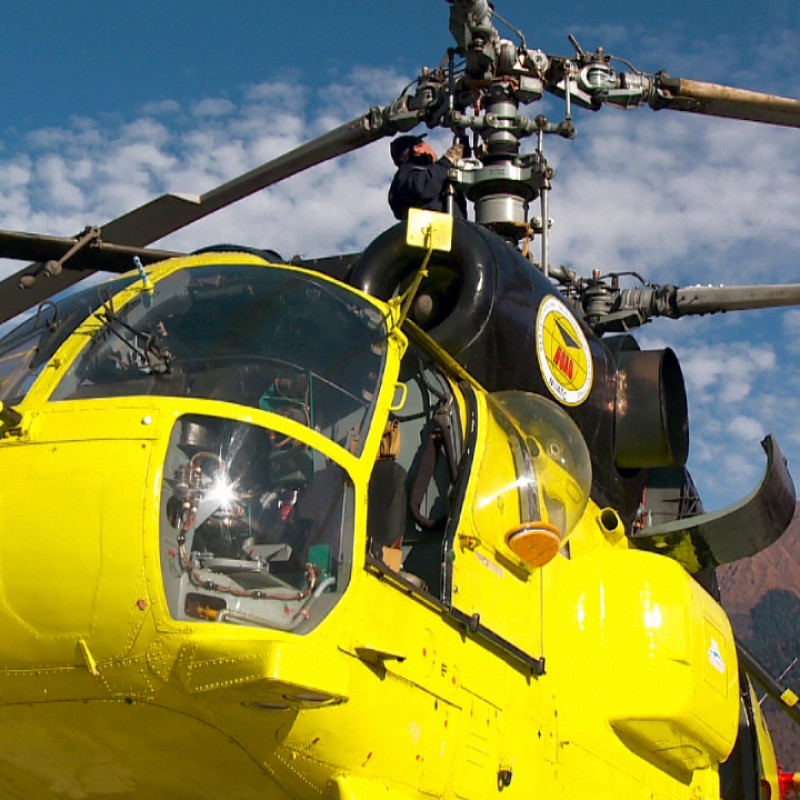
As Russia prepares for the 2014 Winter Olympics, big changes are taking place in the southern city of Sochi as the Olympic village is built from the ground up. Dozens of world-class sport complexes are under construction, along with hundreds of kilometres of new roads, tunnels and bridges. And all of this is being done in the mountainous region of the Caucasus. Mast lighting is being installed on the “Russian hills” where the Olympic ski jump complex is located. It is impossible however, to get heavy ground equipment to such heights, so workers must use helicopters instead. Between the peaks of Mount Aibga the wind is extremely unpredictable and constantly changes direction, which complicates things further. The pilots have to install 50-foot mast lighting in difficult to access areas, but not every helicopter is capable of hovering over an installation point for several minutes. The Kam...
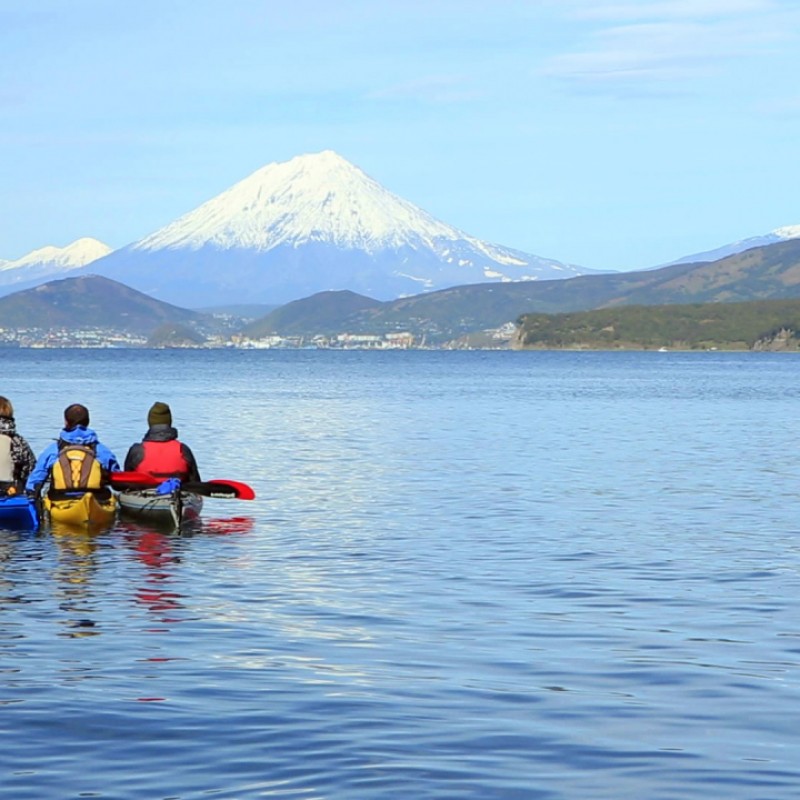
The Kamchatka Peninsula is one of the most unusual places on the planet. It is a land where fiery volcanoes and hot springs bubble and where crashing waves from the Pacific Ocean wash over the rocky coastal cliffs and the endless sand beaches. It is a place where the brown bear is king and one which is home to many ancient traditions and very interesting people. RTG TV host Igor Maximenko visited Petropavlovsk-Kamchatsky, where he learned about the history of Russian settlements in the area as well as spoke with representatives of indigenous peoples living on the peninsula.